Direct mail for dental & orthodontic
Dental postcards and new patient mailers that fill the schedule
Direct mail postcards for dental, orthodontic and specialty practices: new patient offer cards, EDDM to the routes around the office, recall and reminder cards, and new mover programs, printed and mailed for up to 60% less.
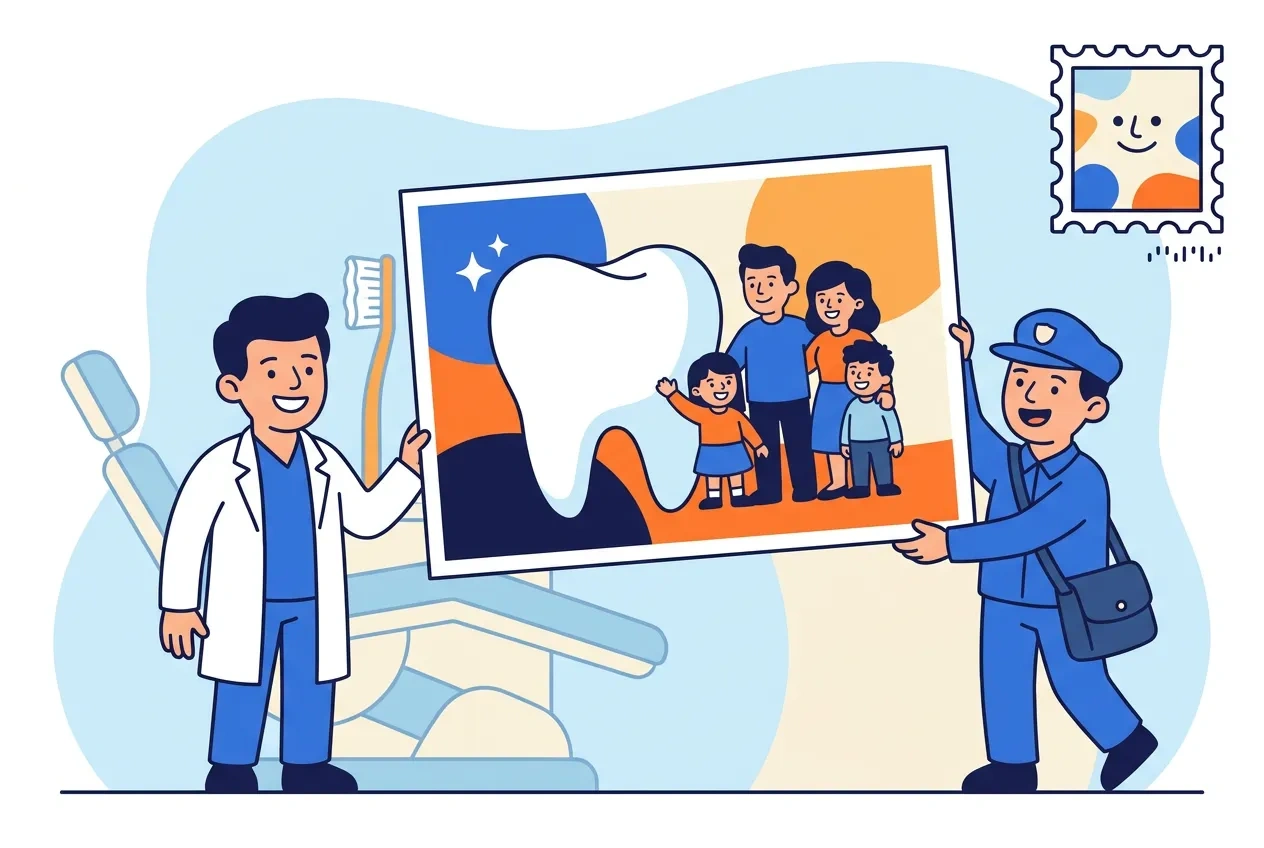
Dental practices have a fixed radius and a recurring need: a steady flow of new patients within a few miles of the chair, plus existing patients who come back every six months. Direct mail serves both, and unlike digital ads it reaches the whole household, including the parent who books for the family.
New patient offers on 6×11 postcards, mailed to the routes and households around the practice on a repeating cadence, are the core program. EDDM covers the saturation routes at the lowest postage; targeted lists reach families with children, households with dental insurance, and new movers. Recall cards go out automatically from the practice management system.
What dental & orthodontic businesses mail
- New patient special 6×11 postcards to households within 3–5 miles
- EDDM saturation to the carrier routes around the office
- New mover welcome cards, mailed weekly
- Recall and reminder 5×8.25 postcards triggered from the practice system
- Orthodontic and cosmetic 6×11 cards to higher-value households
- Insurance year-end "use your benefits" reminder cards in October and November
EDDM or targeted mail for a dental office?
Both, usually. Nearly every household needs a dentist, so EDDM to the routes within a couple of miles is cheap and appropriate. Beyond that radius, and for specialties, targeting matters: families with children aged 6 to 17 for orthodontics, homeowners over 45 for implants and cosmetic work, new movers for general dentistry. A common program is EDDM to the inner routes every eight weeks and a targeted 5,000-piece drop to the outer ring in between.
What a new patient postcard needs
A clear new patient offer with a price, the team or the dentist pictured (people choose a dentist they can picture), insurance accepted, hours including evenings or Saturdays if you have them, a map, and a QR code to online booking. Practices that show a real photo of the front desk team consistently out-pull stock photography.
Timing
January, when insurance benefits reset, and September, when school starts, are the strongest months for new patient mail. October and November carry a "use your remaining benefits" message to existing patients. Summer is the season for orthodontic consults. A twelve-month calendar with six to eight drops covers all of it.
Our work
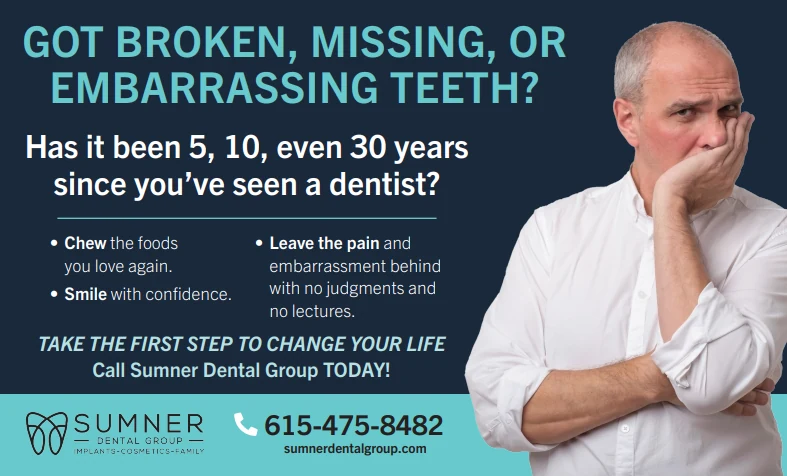
Dental & Orthodontic postcards we have printed and mailed
Real cards from this industry, front and address side, in the sizes we sell. Your program starts from what already works here.

Get a quote in minutes
Quote a dental & orthodontic mailing for your city
Send the postcard size, the quantity and the city it is going to. Pricing is set for your city and your job, so you get a written quote — printing, mail processing and postage — usually within a business hour, with no obligation.
Answers
Dental & Orthodontic direct mail questions
How much does dental direct mail cost?
It is quoted for the practice's city and the program: EDDM to the routes around the office is the lowest-cost way to reach every household nearby, and a targeted 5×8.25 or 6×11 postcard to selected households costs more per piece and less per real prospect. Send the ZIP codes and the quantity through the quote form for a written quote, usually within a business hour.
Does direct mail work for dentists?
Yes. A dental practice serves a small radius that direct mail covers completely, and a household that receives a new patient offer three or four times over a year is very likely to try the practice when it needs one. The average new patient value makes even a modest response rate profitable.
Can you send dental recall postcards automatically?
Yes. Most practice management systems can export or trigger a list of patients due for recall; we print and mail the cards within two business days, addressed to the patient with the due date and a QR code to book.